Elf on the Shelf AI Video From a Photo
Turn one photo of your Elf on the Shelf doll into a short AI video. In the sample, a fixed night camera catches the elf climbing down, crossing the room and freezing. Include the shelf and floor in your photo. Watch the demo without signing in. Generation requires an account and credits.
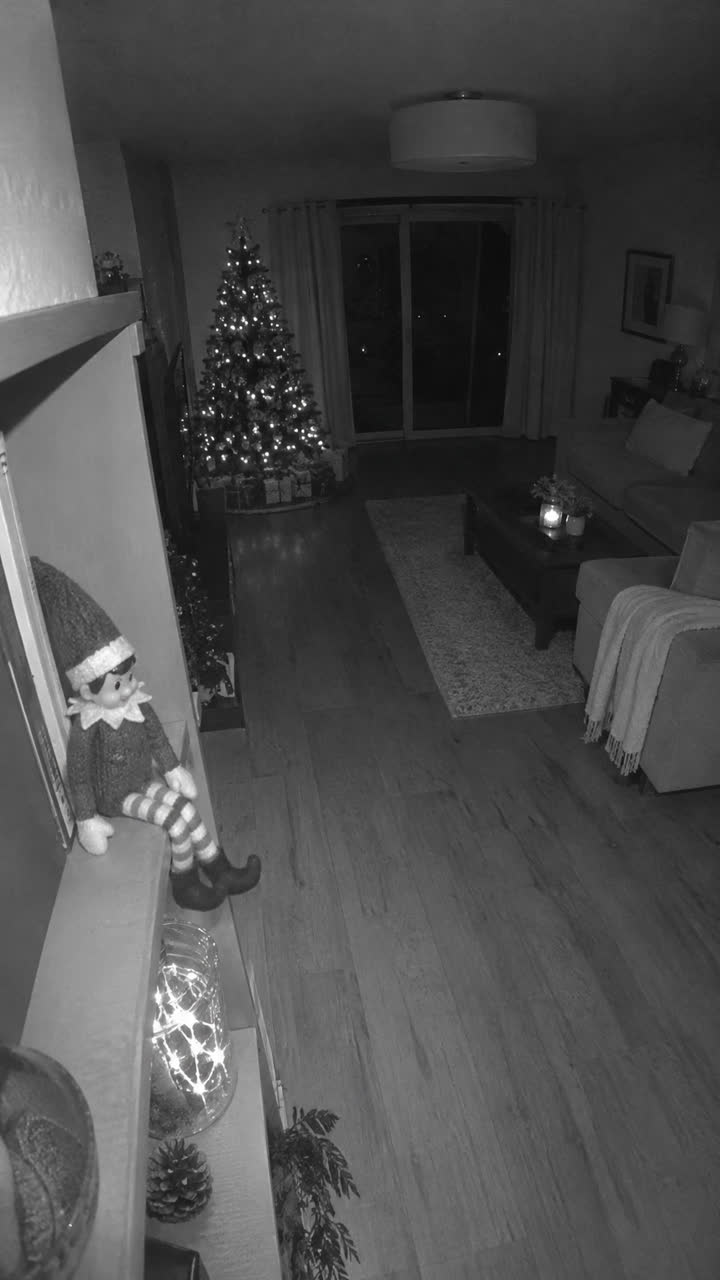
Example photo
Use a slightly overhead room photo showing the elf doll, its shelf and the floor below.
Your photo stays in this browser. Watch the demo without signing in. Sign in to create your own video.
How the template works
- Choose a photo and preview it on your device.
- Choose a style from the template directory.
- Submit on an available template and check the finished clip in My Videos.
100 credits
Give the elf a visible path off the shelf
The Elf on the Shelf AI template makes a doll look as if a fixed camera caught it moving at night. The scene is easiest to read when the viewer can follow a route from the starting shelf to the landing area and then to the final freeze. Stand back enough to include a visible patch of floor, and look for furniture that might hide the elf during the climb. A slightly high angle can show the front of the shelf and the floor in the same picture.
Start with an evenly lit source photo. The template supplies the night look, so a dark photograph is unnecessary. Look for a clear outline around the hat, face and legs. If you use a familiar mantel or shelf, leave one or two objects around it to help the family recognize the scene. Move objects that cover the doll or would make the route impossible to follow. A quiet background works well when the main point is that one small object has moved while the rest of the room stays still.
Frame the ending like a hidden-camera sighting
Leave room for the doll to stop after reaching the floor. The ending reads best when the viewer can see that the doll has both changed position and noticed the camera. A shot with little room below the shelf may hide the last movement. A shot from too far away can make the freeze hard to see. Look for a balance where the legs and hat are visible even when you view the preview at phone size. A broad view of the room only helps if the doll remains readable.
After generating, check that the starting shelf is still recognizable and the action does not vanish behind a chair or stack of gifts. Try a cleaner shelf photo if background objects seem to compete with the doll. For a Christmas message, you can pair this scene with the lights reveal for a second clip. Use an indoor shelf shot for the elf and a parked-car picture for the lights. A short caption can tell relatives where the elf usually sits and leave the video to show what changed.
Preview on the screen where people will watch
Select the photo in the creation panel and examine the preview at roughly the size of a phone screen. Look away, then look back. The main subject should be the first thing you notice. Use the preview to check the source composition, the amount of space around the subject, and whether the image is sideways. Selecting a file for preview keeps it in your browser. Once you are happy with the photo, sign in to generate the clip and see the point cost of the selected duration before submitting.
When framing a shot for a phone, leave room for the viewer interface. Controls, captions, and a channel name can cover the top or bottom of a short video. A source image that is already cropped tightly gives you fewer choices later. Protect the important part of the frame by keeping it in the middle. If you use a crop, compare the preview with the uncropped photo. Choose the version where the action can take place without leaving the screen and where the main subject remains easy to recognize.
Choose a length based on the action
Start with a short clip when there is only one moment the viewer needs to see. A longer clip gives a viewer more time to recognize the scene, watch the movement and see the finished effect. Check the duration and its cost in the creation panel. Think about how the video will be seen. A short attachment in a family chat is watched differently from a post where the first image needs to explain the setting to someone who has never seen the original photo.
Play back the entire file when it is ready. Check the opening frame, the moment when the main action happens, and the last frame. If the opening does not make the subject clear, a sharper or better framed source will help. If the action is hard to spot, look for something in the source that might be competing for attention. Save the result you want to keep directly from My Videos so you can compare it with any later version without relying on a screen recording.
Prepare the finished MP4 for sharing
Download the finished MP4 and attach that file to a family or group message. Include a short note if the viewer needs context, then let the animation provide the surprise. For a public short, leave room for captions and preview the upload. Watch it with the sound off once to see whether the main movement is understandable on its own. If a caption covers the point where the subject changes, move the caption before publishing. The clip should be readable to someone who did not see the demo.
Use photos you have permission to share. Before posting publicly, check for house numbers, vehicle plates, school names or personal photographs in the source background. Label the generated clip as AI when posting it publicly. If you share several videos together, give each shot a clear purpose and its own starting image. A holiday message can use one recognizable subject per clip, which makes it easier for viewers to follow the effects. Treat the demo as a guide to framing and timing when choosing what to upload.
More video templates

Hotel Lobby Duet
Two men trade verses beneath a suspended silver microphone.
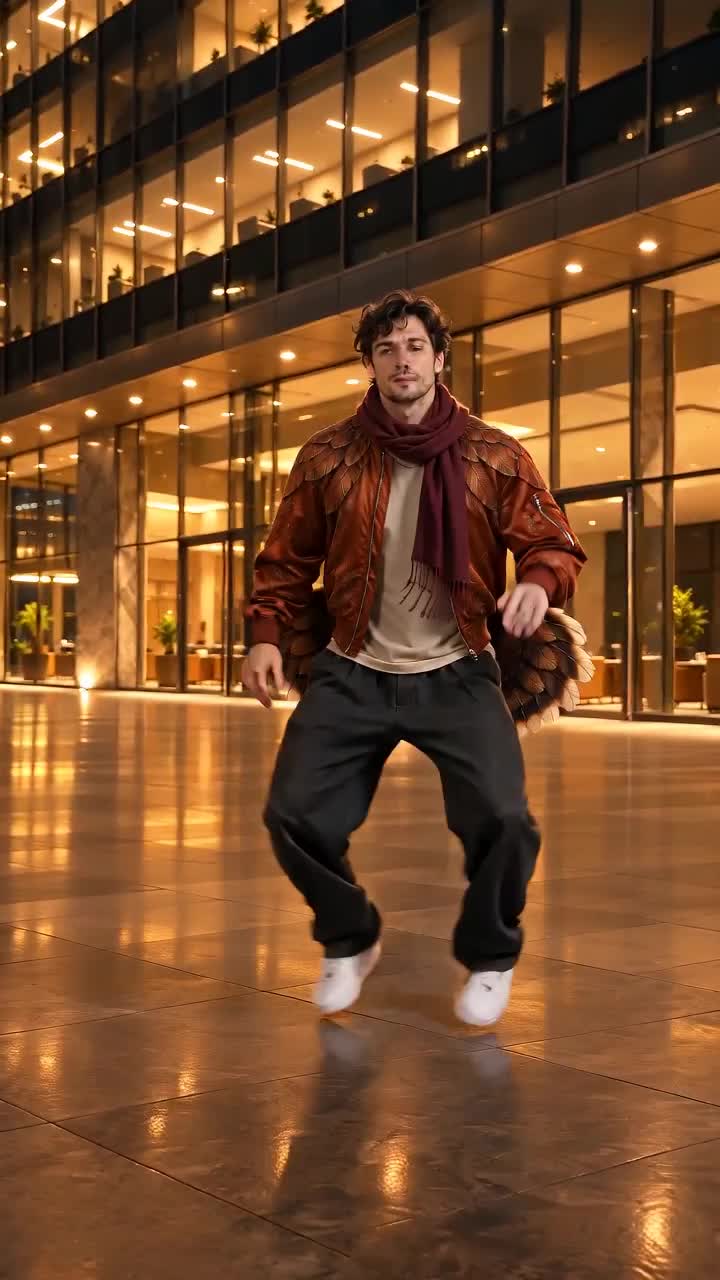
Turkey Dance
A turkey steps side to side and fans its tail.
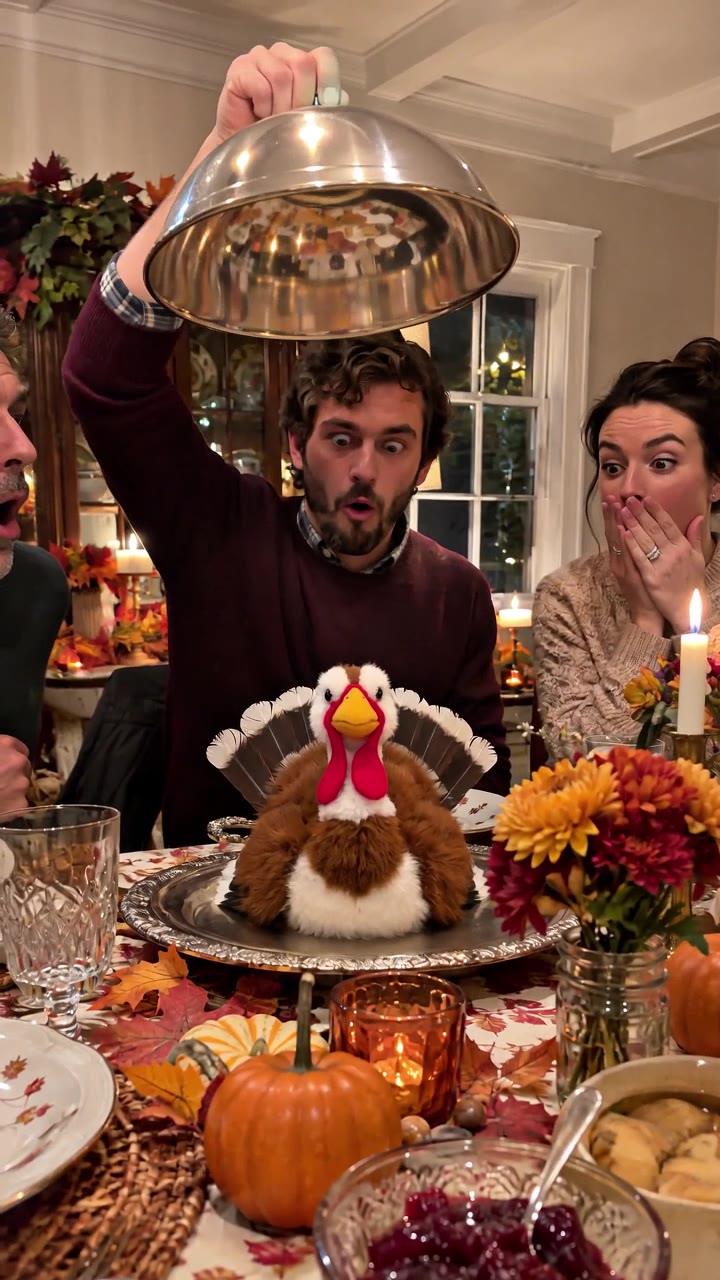
Funny Thanksgiving
Lift the lid for a Thanksgiving dinner surprise.

Christmas Lights Car
Watch festive bulbs trace the outline of a parked car.

Christmas Pet Photo
A pet peeks through Christmas wrapping paper.
Frequently asked questions
- What is the Elf on the Shelf idea?
- It plays on the holiday tradition of an elf appearing in a different spot around the home. The effect imagines a tiny movement caught on camera.
- How should I frame a shelf photo?
- Keep the shelf level and leave enough room above the elf for its hat to move.
- Can I try my photo without signing up?
- Yes. Use the photo picker to see a local preview without creating an account.
- Is my preview uploaded?
- The preview stays in the current browser tab. Selecting the file does not upload it.
- Is this demo a customer result?
- This is a Pixmako AI demo with sound.
- How long will the generated clip be?
- Planned output options are 5, 10 and 15 seconds at up to 720p.
- How many credits will this template use?
- A 5-second video costs 100 credits, a 10-second video costs 200, and a 15-second video costs 300.
- Can I buy credits or generate now?
- You can preview photos without signing in. The creation panel shows whether generation is available.
- Does the room need to be dark in my photo?
- Use a well-lit photo with the doll and shelf easy to see. The effect supplies the nighttime look, so there is no need to photograph the scene in the dark.
- What makes the clip feel like a hidden camera?
- A still composition, a visible route from the shelf to the floor, and a sudden pause at the end give the action its security-camera feel.